
Kim Jones is choosing Hong Kong for his next fashion chapter
After two decades shaping some of Europe's most influential luxury houses, Kim Jones is returning to his own label with an Asia-first strategy

For much of modern luxury fashion, the career trajectory of a successful designer has followed a familiar geography. Build a reputation in London or Paris, establish a creative identity within a European house, and eventually expand into Asia as a commercial opportunity. Kim Jones is approaching his next chapter differently. Having spent more than two decades working within some of Europe's most powerful fashion institutions, the British designer is reviving his namesake label with Hong Kong at the center of its retail strategy.
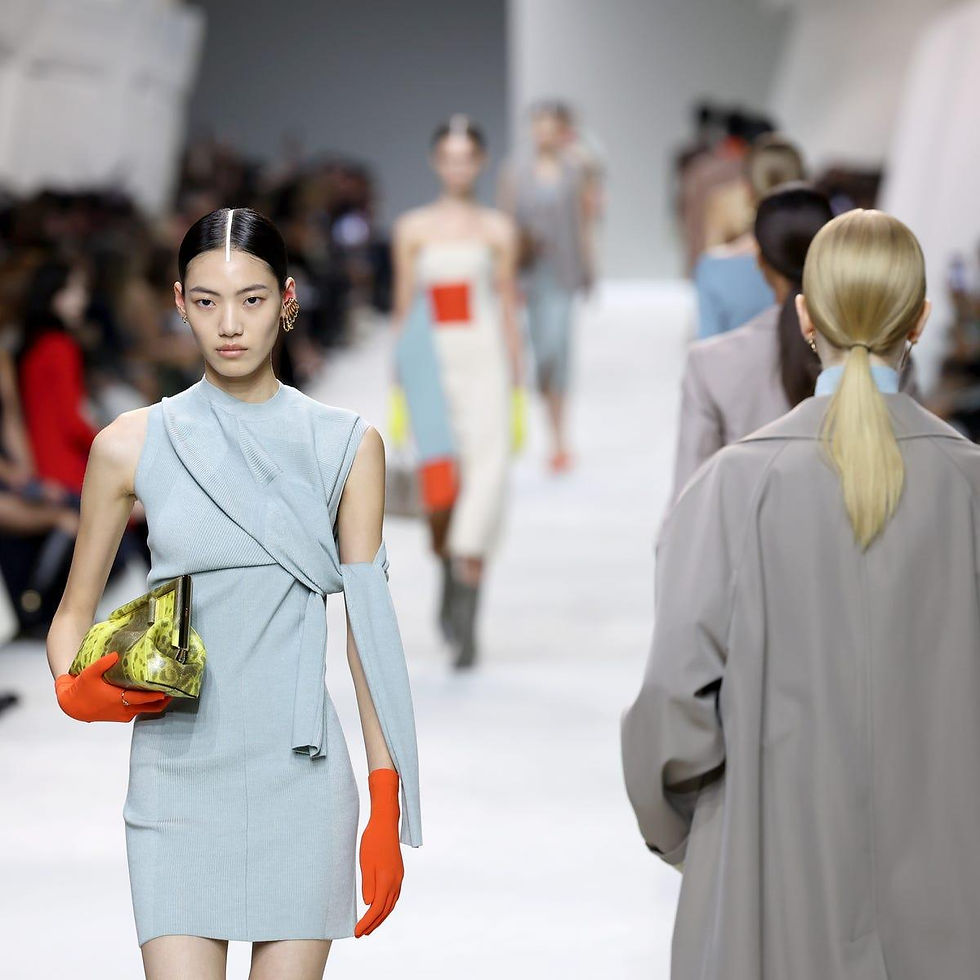
The announcement marks a return to independent design for Jones, who originally established his own label in 2003 before closing it five years later to join Dunhill. His subsequent career took him through Louis Vuitton, where he helped redefine the relationship between luxury and streetwear, Dior Men, where he introduced a softer and more culturally expansive vision of menswear, and Fendi, where he oversaw womenswear and couture. Now, rather than taking another prestigious appointment, Jones is choosing to build something under his own name.
The first Autumn/Winter 2027 collection is expected to launch online in mid-2027, followed by a flagship at Hong Kong's Central Yards development in October. Designed in London and produced predominantly in Japan, with leather goods manufactured in Italy, the label will bring together several distinct fashion traditions. Longtime collaborator Lucy Beeden is joining Jones in the venture, which will focus on versatile clothing that moves beyond conventional distinctions between menswear and womenswear.

Early descriptions suggest an emphasis on functional luxury, fluid silhouettes and thoughtful construction. Tailoring will remain central, but Jones is particularly interested in clothes that accommodate contemporary lifestyles rather than demanding that their wearers conform to rigid fashion conventions. Reversible pieces, adaptable garments and carefully considered materials point toward a wardrobe designed for actual use, an increasingly relevant proposition in a luxury market where escalating prices have often become disconnected from practicality.
The choice of Hong Kong is particularly significant. Jones has maintained a relationship with the city since his years at Dunhill, when regular visits introduced him to its tailoring industry. More recently, his collaborations with Asian artists and brands have established an unusually strong connection with the region's creative communities. His work with Japanese artist Hajime Sorayama, Korean-American designer Yoon Ahn and Chinese outerwear company Bosideng reflects an interest that extends well beyond identifying Asia as a profitable consumer market.
Central Yards, an ambitious new waterfront development overlooking Victoria Harbour, will house the label's first physical store. At approximately 4,000 square feet, the flagship is intended to express Jones's wider interests in art, interiors and design. Further retail locations across Asia are planned, suggesting that Hong Kong will serve as the starting point for a broader international business rather than simply another destination on an established luxury retail circuit.
There is also an interesting commercial argument behind the decision. Jones has spoken openly about the growing distance between luxury fashion and younger consumers, particularly as prices at established houses have climbed. His new label promises a more considered approach to pricing, although specific figures have yet to be announced. Whether that ambition can be maintained alongside high-quality manufacturing and independent brand development remains to be seen.
Perhaps the most compelling aspect of this relaunch is what it suggests about fashion's shifting geography. Paris, Milan and London remain enormously influential, but they no longer hold exclusive authority over where international luxury businesses should establish themselves. Jones is assembling a creative and commercial structure that connects London design, Japanese manufacturing, Italian leather craftsmanship and Hong Kong retail, without treating Asia as a secondary market.
It would be premature to declare this a reinvention of the luxury business model. The first collection has yet to be presented, and the success of an independent label depends on considerably more than the reputation of its founder. Jones will need to demonstrate that the creative instincts that made him influential within established houses can translate into a compelling identity of his own.

Nevertheless, the decision is telling. At a moment when fashion's major houses continue exchanging creative directors in pursuit of renewed relevance, one of the industry's most recognizable designers is choosing independence and placing Asia at the forefront of his ambitions.
For Kim Jones, the next chapter is not simply about returning to his name. It is about reconsidering where a contemporary fashion house begins, whom it serves and what luxury should offer in return.


Comments